
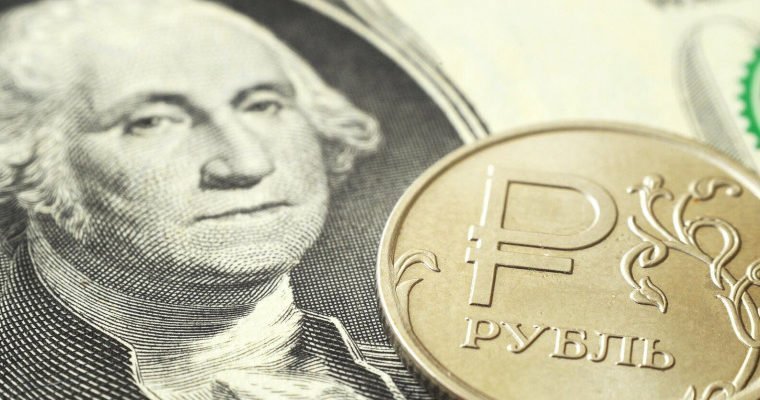
The strengthening of the currency was ensured by a correction from historical lows — noted Elena Kozhukhova, Veles Capital analyst.
The ruble was actively strengthening in the last month after the panic of the sell-off in early March, only last week the dollar fell by 9.4% — to 76 rubles, the euro — by 11%, to 82.7 rubles, now it is falling to 71 rubles and 77 rubles. This was largely due to a correction from historic lows and generally expected sanctions against the Russian Federation, Kozhukhova TASS said.
The decision of the Russian President Vladimir Putin to convert gas payments into rubles was also a significant support for the Russian currency. «Although such a mechanism is still being developed and generally met with resistance from European countries, the increase in the share of international settlements in the Russian currency was received with enthusiasm by investors, as later statements were made about a possible expansion of the list of exports sold for rubles,» the expert added.
At the same time, the demand for foreign currency in the domestic market dropped significantly. “The positive trade balance of the Russian Federation has risen sharply since the end of February as imports have fallen sharply since the beginning of the isolation of the Russian economy, but exports have not yet. In turn, the export of capital abroad is blocked, the assets of non-residents are frozen, a tax of 12% on currency purchases on the stock exchange, individuals are prohibited from buying cash in banks, the import of goods has been partially banned or suspended (USD 220-280 billion), in in fact, massive outbound tourism to Europe ($ 10-20 billion) has been halted, dividends cannot be paid from the country (around $ 150-160 billion a year), ”explained Finam analyst Alexander Potavin.
The ruble exchange rate has now become «a thing in itself», so its current level does not reflect the state of the Russian economy, and the potential for its weakening is quite large if the Central Bank of the Russian Federation lifts bans and restrictions on currency transactions — added the specialist.
.


